

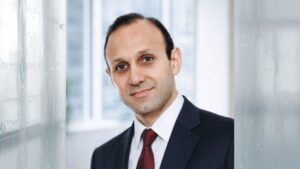

In this interview, Simon Tian explains how traditional telecom models create barriers through complex pricing and regional limits. He shares his focus on building simple, digital-first solutions that provide consistent service across borders. Simon Tian highlights the importance of user experience, transparency, and flexibility in modern telecom. He believes connectivity should match how people live and travel today. His insights show how innovation can remove friction and create reliable, smooth communication for users in a fast-moving, connected world.
Interviewer: Simon, thank you for joining us today. Can you start by sharing a bit about your journey and what led you to focus on transforming the telecom industry?
Simon Tian: Thank you for having me. My journey started at a young age with a strong interest in building technology that solves real problems. I began in wearable tech, which taught me the importance of user experience and simplicity. Over time, I noticed that telecom services were often complicated and not aligned with how people live today. This inspired me to explore ways to improve the system. My focus became creating solutions that are simple, accessible, and global, helping users stay connected without unnecessary barriers or confusion.
Interviewer: Why is seamless connectivity becoming more important today?
Simon Tian: Today’s users live globally. People work remotely, travel often, and rely heavily on digital communication. Because of this, they expect their mobile service to keep up with their lifestyle. If telecom systems cannot adapt, they create frustration. Seamless connectivity ensures that users stay productive and connected without interruption. It also supports businesses that depend on reliable communication. As technology evolves, the gap between user expectations and traditional telecom systems becomes more visible. That is why focusing on seamless experiences is not just innovation, it is necessary for staying relevant.
Interviewer: Simon Tian says telecom should feel seamless everywhere. What inspired this belief?
Simon Tian: That belief comes from observing real user challenges. Many people experience issues when switching countries or networks, especially with roaming charges and inconsistent service quality. I saw that telecom was not built for a truly global lifestyle. This inspired me to think differently about how networks should operate. Instead of focusing on regions, I focused on users. If people move freely, their connectivity should move with them. That simple idea shaped my perspective. Seamless service is about aligning telecom systems with how people actually live today.

Interviewer: What are the biggest challenges in achieving this vision?
Simon Tian: One of the biggest challenges is changing traditional systems that have been in place for decades. Telecom infrastructure is complex and often region-based. Integrating these systems into a unified global experience requires both technical and strategic changes. Another challenge is pricing models, which are often designed around local markets. Creating a simple and fair system for global users is not easy. There is also the need to maintain quality and reliability while expanding access. Overcoming these challenges requires innovation, collaboration, and a willingness to rethink old approaches.
Interviewer: How does innovation play a role in simplifying telecom services?
Simon Tian: Innovation is at the core of simplification. By using modern technology, telecom companies can automate processes, improve network efficiency, and deliver better user experiences. For example, digital platforms allow users to manage their services easily without visiting physical stores. Cloud-based systems help scale operations globally. Innovation also enables better data analysis, which helps improve performance and predict user needs. The goal is to reduce complexity without reducing quality. When innovation is used effectively, it makes telecom services more accessible, efficient, and aligned with user expectations.
Interviewer: Simon Tian, how do you approach building user-focused telecom solutions?
Simon Tian: I always start with the user experience. Instead of asking what technology can do, I ask what users actually need. This means understanding their daily challenges and designing solutions around them. Simplicity is a key part of this approach. If a service is too complicated, users will not adopt it. I also focus on consistency, ensuring that the experience remains the same across different locations. Building user-focused solutions requires continuous feedback and improvement. It is not a one-time effort but an ongoing process of learning and adapting.
Also Read:- Brian Caper Says, “Economic Growth Should Support the Whole Community.”
Interviewer: What role does global mobility play in shaping telecom today?
Simon Tian: Global mobility is one of the main drivers of change in telecom. People are no longer tied to one location. They travel for work, education, and personal reasons. This shift creates a need for services that work across borders. Telecom companies must adapt to this reality by offering solutions that are flexible and reliable. Global mobility also increases the demand for consistent service quality. Users do not want to experience different levels of performance in different places. Meeting this demand requires a new way of thinking about network design and service delivery.
Interviewer: How can telecom companies improve customer experience in a digital era?
Simon Tian: Improving customer experience starts with understanding user expectations. In the digital era, people expect fast, simple, and reliable services. Telecom companies can achieve this by investing in digital platforms, improving network quality, and offering transparent pricing. Customer support should also be efficient and accessible. Another important factor is personalization. By using data responsibly, companies can offer services tailored to individual needs. The goal is to create a smooth and consistent experience at every touchpoint. When customers feel valued and understood, they are more likely to stay loyal.
Interviewer: Simon Tian says removing borders in telecom is essential. How can this be achieved?
Simon Tian: Removing borders in telecom requires both technical and strategic changes. Technically, networks need to be integrated in a way that allows seamless transitions between regions. Strategically, companies need to rethink their business models. Instead of focusing on local markets, they should consider global users. Partnerships between telecom providers can also help expand coverage and improve service quality. Another key factor is simplifying pricing, so users are not penalized for traveling. Achieving this vision takes time, but it is possible with the right approach and commitment to innovation.
Interviewer: What impact does simple pricing have on user trust?
Simon Tian: Simple pricing plays a major role in building trust. When users understand what they are paying for, they feel more confident in the service. Complex pricing structures with hidden fees can create confusion and frustration. By offering clear and predictable pricing, telecom companies can improve transparency and customer satisfaction. This approach also reduces the risk of unexpected charges, which is a common concern for users. In the long run, trust leads to loyalty. When customers trust a service, they are more likely to continue using it and recommend it to others.
Interviewer: How do digital platforms support telecom transformation?
Simon Tian: Digital platforms make telecom services more accessible and efficient. They allow users to activate services, manage plans, and resolve issues online. This reduces the need for physical stores and speeds up processes. Digital platforms also enable better communication between companies and customers. Through apps and online dashboards, users can track their usage and stay informed. For companies, these platforms provide valuable insights into user behavior. This helps improve services and make better decisions. Overall, digital platforms are essential for creating a modern and seamless telecom experience.
Interviewer: Simon Tian, what lessons from your early ventures helped shape your telecom vision?
Simon Tian: My early ventures taught me the importance of simplicity and user experience. In wearable technology, I learned that even advanced products must be easy to use. This lesson carried over into telecom. I also learned the value of taking risks and adapting quickly. Building something new often involves uncertainty, but it also creates opportunities. Another key lesson was the importance of listening to users. Their feedback helps improve products and identify new ideas. These experiences helped shape my approach to telecom, focusing on innovation and user needs.
Interviewer: What role does data play in improving telecom services?
Simon Tian: Data plays a crucial role in understanding and improving telecom services. It helps companies analyze usage patterns, identify network issues, and optimize performance. With the right data, telecom providers can predict demand and allocate resources more effectively. Data also supports personalization, allowing companies to offer services that match individual needs. However, it is important to use data responsibly and protect user privacy. When used correctly, data becomes a powerful tool for enhancing both efficiency and customer experience in telecom.
Interviewer: How can startups compete with large telecom companies?
Simon Tian: Startups can compete by being more agile and innovative. They are not limited by legacy systems, which allows them to experiment with new ideas. By focusing on specific user problems, startups can create unique solutions that stand out. They can also move faster in adopting new technologies. Another advantage is their ability to build modern business models from the start. While large companies have resources, startups have flexibility. This combination of speed and creativity can help them disrupt traditional telecom markets.
Interviewer: Simon Tian says telecom must evolve with modern lifestyles. What changes are most urgent?
Simon Tian: The most urgent change is adapting to global mobility. Telecom services must work across borders without complications. Another important change is simplifying user experience. People should not need technical knowledge to use their services. Pricing models also need to become more transparent and flexible. Additionally, companies must invest in digital infrastructure to support faster and more reliable connections. These changes are necessary to meet the expectations of modern users. Without them, telecom companies risk falling behind in a rapidly changing world.
Interviewer: What does the future of telecom look like in your view?
Simon Tian: The future of telecom is global, digital, and user-focused. Services will become more integrated, allowing seamless connectivity across devices and locations. Technology like 5G and beyond will improve speed and reliability. At the same time, user expectations will continue to rise. Telecom companies will need to focus on simplicity and innovation to stay competitive. The goal is to create a system where connectivity is always available and easy to use. In this future, telecom becomes an invisible but essential part of everyday life.
Interviewer: How important is reliability in achieving seamless connectivity?
Simon Tian: Reliability is essential. Without it, seamless connectivity is not possible. Users depend on their connections for communication, work, and entertainment. Any disruption can have a significant impact. Telecom companies must invest in strong infrastructure and continuous monitoring to ensure stability. Reliability also builds trust. When users know they can depend on a service, they are more likely to stay loyal. Achieving high reliability requires ongoing effort and innovation, but it is a critical part of delivering a seamless experience.
Interviewer: What advice would you give to future telecom entrepreneurs?
Simon Tian: I would advise them to focus on solving real problems. Instead of following trends, they should understand what users actually need. Simplicity should always be a priority. They should also be open to learning and adapting, as the industry is constantly changing. Building strong networks and partnerships is important as well. Most importantly, they should stay committed to their vision. Telecom is a challenging field, but it offers many opportunities for innovation. With the right approach, new entrepreneurs can make a meaningful impact.
Interviewer: What keeps you motivated in such a competitive industry?
Simon Tian: What motivates me is the opportunity to create meaningful change. Telecom affects billions of people, and improving it can have a real impact on daily life. Seeing users benefit from simpler and better services is very rewarding. I am also driven by the challenge of solving complex problems. Every obstacle is an opportunity to learn and improve. The industry is constantly evolving, which keeps things interesting. Staying focused on the bigger goal helps maintain motivation even in a competitive environment.
Interviewer: As we wrap up, what message would you like to leave with our audience?
Simon Tian: My message is simple. The future of telecom should be built around people. Technology is important, but it must serve real needs. By focusing on simplicity, reliability, and global accessibility, we can create better systems for everyone. Change takes time, but it starts with a clear vision and consistent effort. I encourage everyone in the industry to think differently and challenge existing models. Together, we can build a more connected and seamless world where communication is easy and accessible for all.