




Bruce Kane CPA is a tax professional based in Syracuse, New York. He works with business owners, executives, and individuals, helping them understand tax rules and make informed financial decisions. Known for his clear and practical approach, Bruce Kane CPA focuses on tax planning strategies that support long-term financial stability and help clients prepare for future challenges. In this interview, Bruce Kane CPA discusses why good tax planning is an important part of financial success. He explains how planning ahead can help people avoid unexpected tax problems, stay organized, and make better decisions throughout the year. Bruce shares simple insights on reducing financial stress, improving preparation, and creating a stronger foundation for the future. His message is clear: taking time to plan today can help prevent challenges tomorrow and lead to greater confidence in managing finances.
Interviewer: We are speaking with Bruce Kane CPA from Syracuse. Bruce Kane CPA works with many business owners and individuals on tax planning. Today, we will discuss the idea that “Good Tax Planning Can Reduce Future Challenges.” Bruce Kane CPA, thank you for being here to talk with us.
Bruce Kane CPA: I am happy to be here. I enjoy talking about how a good tax plan can help people avoid problems and make better financial decisions. Planning ahead often makes things easier and less stressful in the future.
Interviewer: What do you mean when you say that good tax planning can reduce future challenges?
Bruce Kane CPA: Good tax planning means thinking ahead instead of waiting until tax season arrives. Many people only focus on taxes when they have to file a return, but planning throughout the year can help prevent surprises. It allows people to understand their financial situation and prepare for upcoming expenses. A good plan can reduce mistakes, lower stress, and help people make informed choices. When you know what to expect, it becomes easier to handle financial responsibilities and avoid problems later on.
Interviewer: Why is planning ahead so important when it comes to taxes?
Bruce Kane CPA: Planning ahead gives people more control over their finances. When individuals and business owners review their tax situation regularly, they can make adjustments before problems develop. Waiting until the last minute often limits options and creates pressure. Good planning helps people organize records, track expenses, and understand possible tax obligations. It also helps them prepare for changes in income or business activity. Taking action early usually leads to better outcomes and fewer challenges when it is time to file taxes.
Also Read: Matej Michalko Says, “Advanced Cyber Defence Is Key To National Security.”
Interviewer: How can tax planning help people avoid unexpected costs?

Bruce Kane CPA: Unexpected tax bills can create financial stress for both individuals and businesses. Good tax planning helps estimate what taxes may be owed before deadlines arrive. This allows people to set aside money and prepare in advance. When financial decisions are reviewed throughout the year, there is a better understanding of potential tax responsibilities. Planning also helps identify opportunities that may reduce tax burdens legally. By staying informed and organized, people are less likely to face costly surprises that affect their budgets.
Interviewer: Can small businesses benefit from tax planning just as much as large companies?
Bruce Kane CPA: Absolutely. In many cases, small businesses may benefit even more because they often have fewer resources to handle unexpected expenses. Good tax planning helps business owners understand their financial position and make informed decisions. It can improve cash flow, support budgeting, and reduce the risk of errors. Small business owners already manage many responsibilities, so having a clear tax strategy can make operations smoother. Planning creates stability and helps businesses focus on growth instead of reacting to problems.
Interviewer: What are some common mistakes that tax planning can help prevent?
Bruce Kane CPA: One common mistake is failing to keep accurate records throughout the year. Another is waiting until deadlines are close before reviewing financial information. Some people also miss deductions or overlook important tax requirements. Good tax planning encourages regular reviews and better organization. It helps people stay aware of their responsibilities and identify issues early. Small mistakes can become larger problems if they are ignored. Planning helps reduce these risks and supports more accurate and efficient tax reporting.
Interviewer: How does regular financial review support good tax planning?

Bruce Kane CPA: Regular financial reviews help people understand where they stand throughout the year. Instead of guessing, they can see income, expenses, and other important financial details clearly. This information makes it easier to make smart decisions and prepare for tax obligations. Reviews also provide an opportunity to correct mistakes before they become serious issues. When finances are monitored consistently, there are fewer surprises. Good tax planning depends on having accurate information, and regular reviews help provide that foundation.
Interviewer: How can tax planning reduce stress during tax season?
Bruce Kane CPA: Tax season can feel overwhelming when people are unprepared. Good tax planning spreads the work across the year instead of leaving everything for the last minute. Important documents are organized, financial information is easier to access, and tax obligations are better understood. This preparation reduces uncertainty and helps people feel more confident. Rather than rushing to gather records or solve problems, they can focus on completing the process accurately. Planning creates a smoother experience and reduces unnecessary pressure.
Interviewer: Does tax planning help with making financial decisions during the year?
Bruce Kane CPA: Yes, tax planning can support better financial decisions throughout the year. Many choices have tax consequences, whether they involve spending, saving, investing, or business operations. Understanding these effects before making decisions can help people avoid unintended outcomes. Planning provides a clearer picture of how different actions may affect future tax obligations. It encourages thoughtful decision-making rather than reacting afterward. When people consider taxes as part of their overall financial strategy, they are often better prepared for future challenges.
Interviewer: How does organization play a role in successful tax planning?
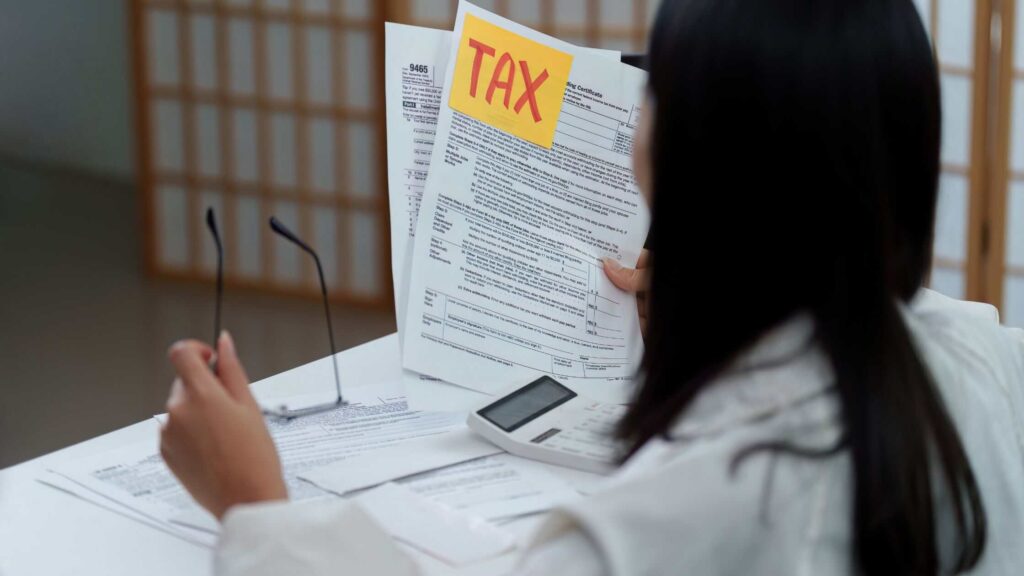
Bruce Kane CPA: Organization is one of the most important parts of good tax planning. Keeping records in order makes it easier to track financial activity and prepare accurate tax information. Organized records can save time, reduce mistakes, and help support important financial decisions. They also make it easier to respond if questions arise later. Without organization, valuable information may be overlooked. A simple system for managing documents and financial records can make tax planning more effective and help prevent future problems.
Interviewer: Why should people view tax planning as a year-round process?
Bruce Kane CPA: Taxes are connected to financial decisions that happen all year, not just during filing season. Viewing tax planning as an ongoing process allows people to stay informed and prepared. They can monitor changes in income, expenses, and financial goals as they occur. This approach creates more opportunities to make adjustments when needed. Waiting until the end of the year may limit available options. Consistent planning helps people stay organized, reduce risks, and maintain greater confidence in their financial decisions.
Interviewer: How can good tax planning help people prepare for future financial goals?
Bruce Kane CPA: Good tax planning helps people connect their tax strategy with their long-term financial goals. Whether someone wants to grow a business, save money, or make a major investment, planning can help them understand the tax impact of those decisions. Looking ahead allows people to make adjustments before challenges arise. It also helps create a clearer financial path. When taxes are considered as part of a larger plan, people are often better prepared to reach their goals with fewer unexpected obstacles.
Interviewer: What is one simple step people can take to improve their tax planning?
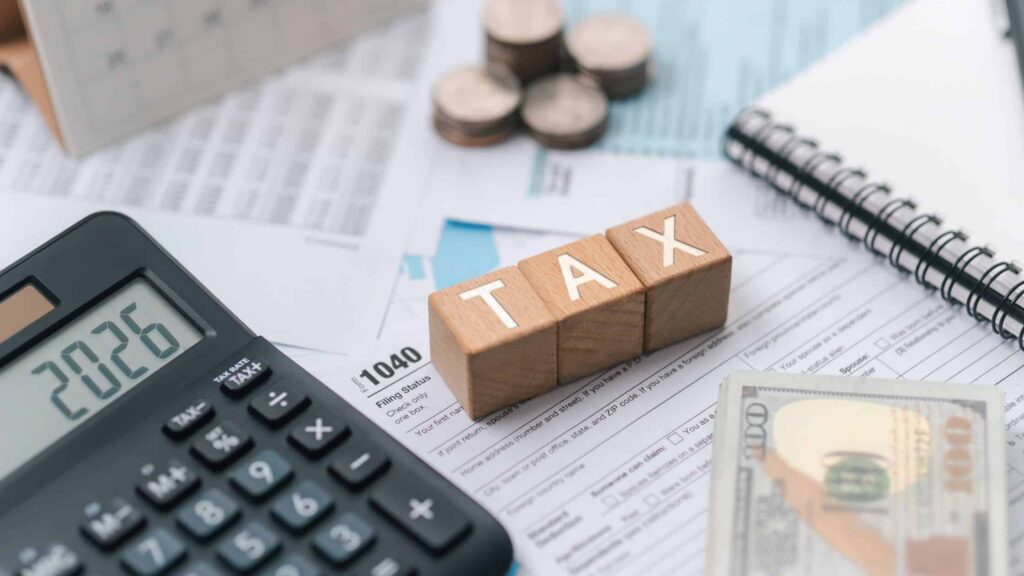
Bruce Kane CPA: One simple step is to review financial records on a regular basis instead of waiting until tax season. Even a monthly review can make a big difference. This habit helps people stay aware of income, expenses, and important financial changes. It also makes it easier to spot potential issues early. Good tax planning does not always require complex strategies. Often, staying organized and paying attention throughout the year can help reduce future challenges and improve financial confidence.
Interviewer: What final message would you like to share about the value of good tax planning?
Bruce Kane CPA: My main message is that good tax planning is about preparation, not just paperwork. Taking time to understand your financial situation and plan ahead can help prevent many common challenges. It can reduce stress, improve decision-making, and create greater financial stability. Small actions taken throughout the year often lead to better outcomes in the future. Whether you are an individual or a business owner, having a clear tax plan can provide confidence and help you move forward with fewer surprises.