



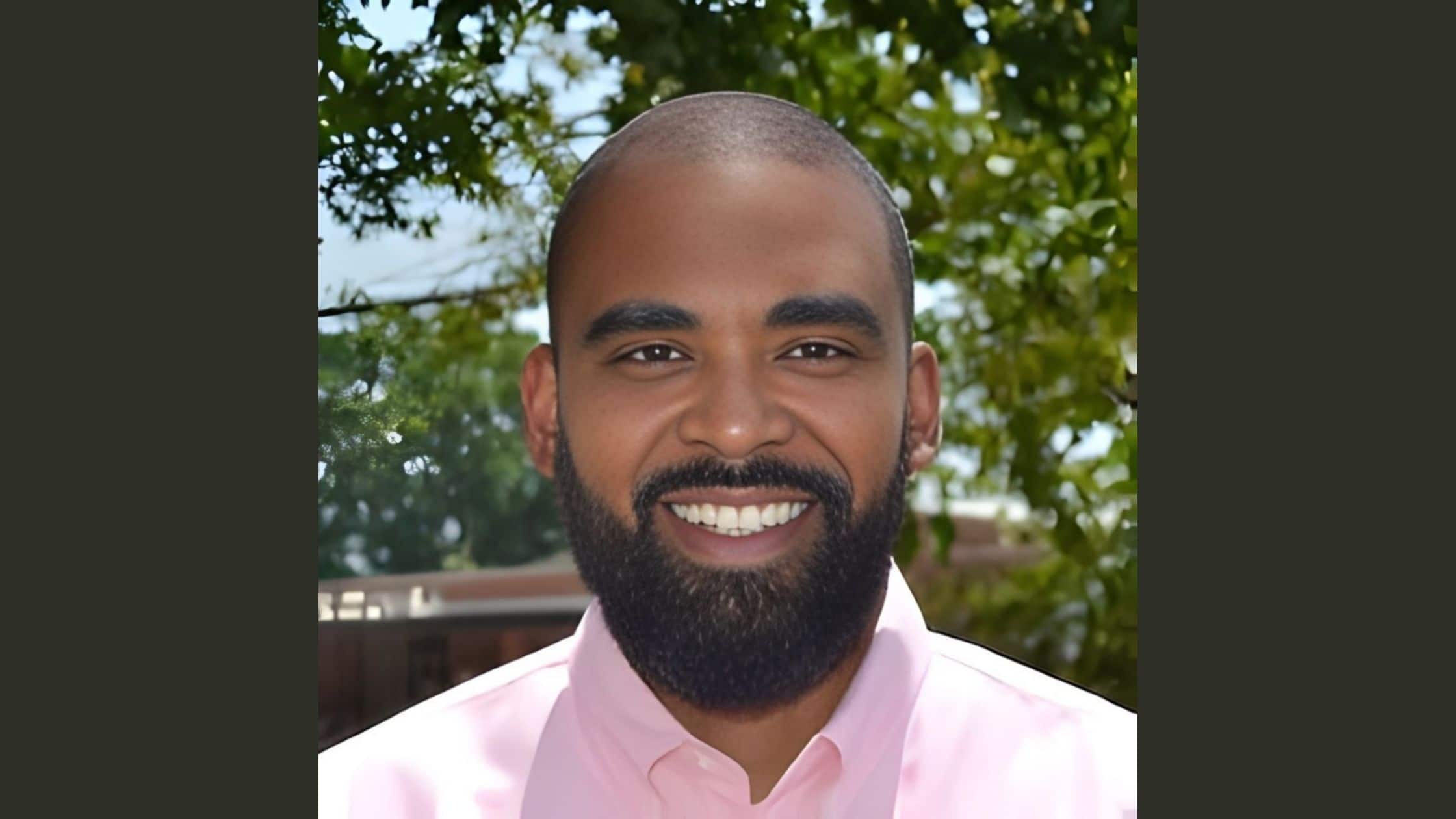
We had the opportunity to speak with Alcide Honoré, co-founder of Billseye Inc., a platform built to help professionals, firms, and enterprises manage work with greater clarity. In this interview, Alcide Honoré explains why busy teams need better systems to stay organized and focused. He shares how clear processes reduce confusion, prevent missed tasks, and improve communication. He also discusses how simple, reliable systems support accountability, better decisions, and consistent results, helping teams handle growing workloads and perform effectively over time.
Interviewer: Today, we’re joined by Alcide Honoré, co-founder of Billseye Inc., to discuss why busy teams need better systems. Thank you for being here, Alcide Honoré.
Alcide Honoré: Thank you for having me. This topic is important because busy teams often work under constant pressure. Without clear systems, work becomes scattered, communication breaks down, and results suffer. Better systems create structure and clarity. They help teams capture work, stay aligned, and move faster with fewer mistakes. When systems support the work, teams can focus on outcomes instead of managing confusion.
Interviewer: Why do busy teams struggle the most without clear systems?

Alcide Honoré: Busy teams handle many tasks, messages, and deadlines at the same time. Without clear systems, work gets scattered across emails, calls, and chats. People forget details, repeat work, or miss follow-ups. This creates stress and confusion instead of progress. Good systems bring order. They help teams capture work clearly, track it easily, and act on it on time. When systems are strong, busy teams can focus on results instead of constant firefighting.
Also Read: Mrs. 50 Cent Talks About Her Long-Term Vision as a Music Artist
Interviewer: How does chaos show up in day-to-day teamwork?
Alcide Honoré: Chaos often looks small at first. Notes are missing, messages are unclear, and no one is sure who owns a task. Over time, these small gaps grow into delays, mistakes, and lost trust. Teams spend more time searching for information than doing real work. Meetings increase, but clarity does not. Strong systems reduce this noise by establishing a single, clear way to capture, organize, and review work every day.
Interviewer: Why do simple systems work better than complex ones?
Alcide Honoré: Simple systems are easier to follow and harder to break. When a process is too complex, people avoid it or use it incorrectly. Busy teams often lack the time to learn complicated tools. Simple systems fit naturally into daily work. They reduce friction and save time. When systems are easy, teams actually use them. Consistent use is what creates clarity, accountability, and better outcomes over time.
Interviewer: What is the biggest mistake teams make when managing work?

Alcide Honoré: The biggest mistake is relying on memory instead of systems. Teams assume people will remember tasks, promises, or details from meetings. That rarely works, especially under pressure. Memory fails when work increases. Systems exist to support people, not replace them. When teams capture work as it happens and track it in one place, they reduce errors and stress. This small shift can greatly improve performance.
Interviewer: How do better systems improve team communication?
Alcide Honoré: Better systems make communication clear and visible. Instead of scattered messages, important details are recorded and shared properly. Everyone knows what was said, what was agreed, and what comes next. This reduces misunderstandings and repeated questions. Teams communicate with purpose instead of urgency. Clear systems also protect teams when staff changes happen, because knowledge stays within the system, not only in people’s heads.
Interviewer: How does Billseye help busy teams reduce daily chaos?
Alcide Honoré: Billseye helps teams capture client communication accurately and automatically. Calls, messages, and interactions are recorded and organized so nothing is lost. This creates a clear record of work that teams can trust. Instead of guessing or searching, teams see exactly what happened. This reduces confusion, saves time, and improves accountability. For busy teams, this clarity allows them to focus on delivering value rather than managing disorder.
Interviewer: Why is tracking communication important for strong systems?

Alcide Honoré: Communication is where work begins. If it is not tracked, work becomes unclear. Decisions, instructions, and commitments often live inside conversations. When those are lost, teams lose control. Tracking communication creates a reliable source of truth. It helps teams follow through, avoid disputes, and stay aligned. Systems that include communication tracking support better planning, smoother execution, and stronger client relationships, especially for fast-moving teams.
Interviewer: How does Billseye support accountability in busy teams?
Alcide Honoré: Billseye creates accountability by making work visible. When communication and tasks are clearly captured, it is easier to see who did what and when. This reduces blame and confusion. Teams can review actions objectively instead of relying on opinions. Accountability becomes fair and constructive. Busy teams benefit because issues are addressed early, not after problems grow. Clear systems support better behavior and better outcomes.
Interviewer: Can better systems reduce stress for team members?
Alcide Honoré: Yes, very much. Stress often comes from uncertainty and overload. When people are unsure about priorities or fear missing something, pressure increases. Good systems reduce this mental burden. Team members trust that work is captured and tracked properly. They can focus on execution instead of worrying. Over time, this creates a calmer work environment where teams feel more confident, focused, and in control.
Interviewer: How do systems help teams make better decisions?

Alcide Honoré: Systems provide clear information. When data, communication, and tasks are organized, leaders and teams can see patterns and issues early. Decisions become based on facts instead of assumptions. This improves speed and quality. Busy teams often make quick choices under pressure. Strong systems support these moments by offering clarity. Better inputs lead to better outputs, even when time is limited.
Interviewer: Why do growing teams need systems sooner, not later?
Alcide Honoré: Growth increases complexity. More people, clients, and work mean more chances for confusion. Teams that delay building systems often struggle later. Fixing chaos after growth is harder and more costly. Early systems create good habits. They scale with the team instead of breaking under pressure. Busy teams that plan early protect their time, reputation, and results as they grow.
Interviewer: How do systems improve consistency in team results?
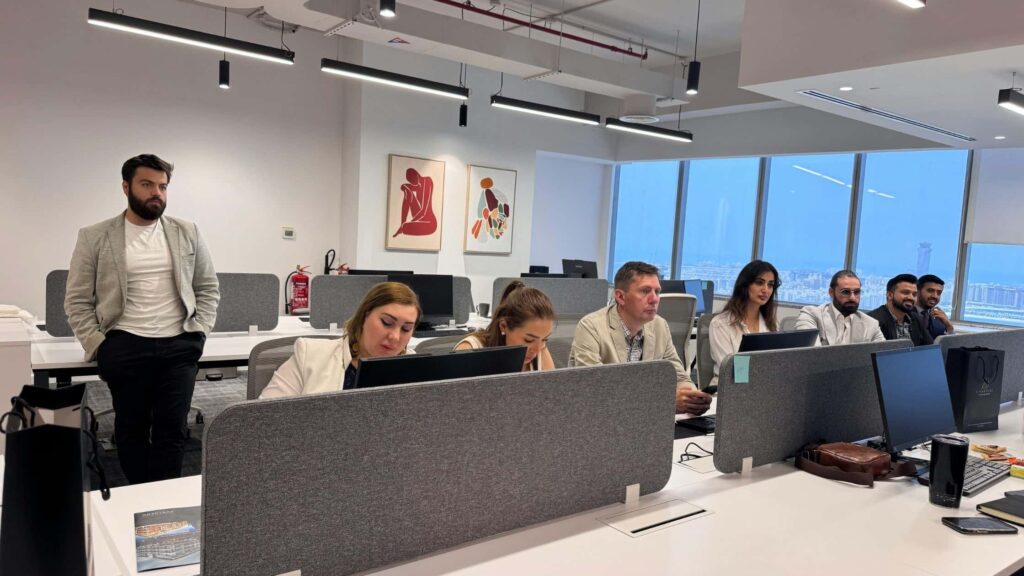
Alcide Honoré: Systems create repeatable processes. When work is done the same clear way each time, quality improves. Teams know what to expect and how to perform. This reduces mistakes and rework. Consistency builds trust with clients and within teams. Busy teams especially benefit because systems prevent shortcuts that cause problems later. Reliable processes support steady and predictable outcomes.
Interviewer: What role do leaders play in building better systems?
Alcide Honoré: Leaders set the tone. When leaders value systems, teams follow. Leaders must choose clarity over urgency and support tools that simplify work. They should encourage consistent use and lead by example. Systems fail when leaders ignore them. Busy teams need leadership that protects focus and structure. When leaders commit to better systems, teams perform with confidence and direction.
Interviewer: What is the long-term impact of better systems on busy teams?
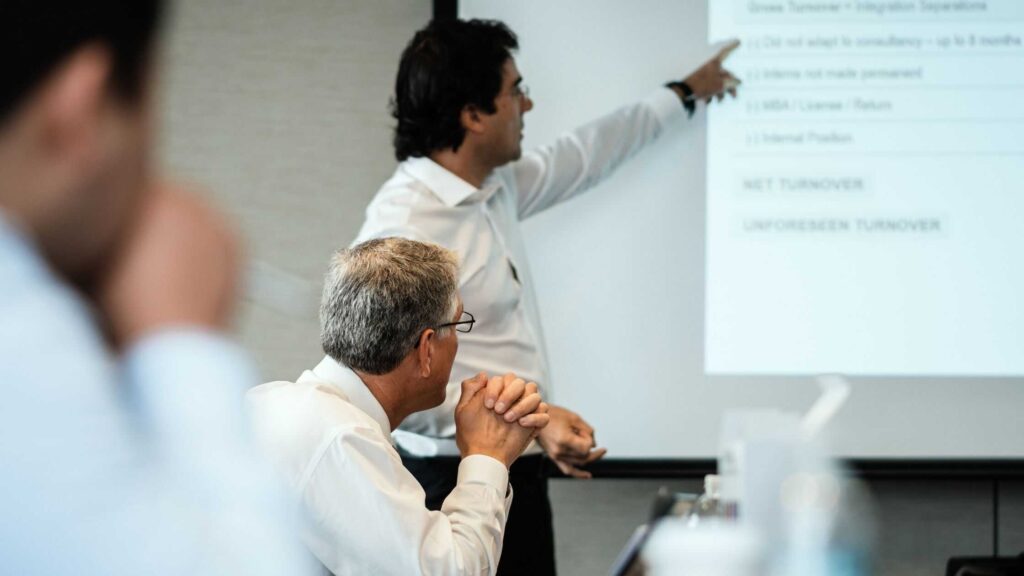
Alcide Honoré: Over time, better systems change how teams work and feel. Productivity improves, errors drop, and stress decreases. Teams spend more time creating value and less time fixing problems. Communication becomes clear, accountability becomes natural, and growth becomes manageable. For busy teams, strong systems are not optional. They are the foundation for sustainable success and better outcomes year after year.
Interviewer: Thank you, Alcide Honoré, for explaining why better systems are essential for busy teams. Your insights clearly show how structure helps teams work smarter and stay focused.
Alcide Honoré: Thank you for the opportunity. I believe better systems give busy teams the support they need to succeed. When work is organized and communication is clear, teams reduce stress, improve consistency, and deliver stronger results. Systems are not about slowing people down. They are about helping teams work with clarity, confidence, and long-term effectiveness.