

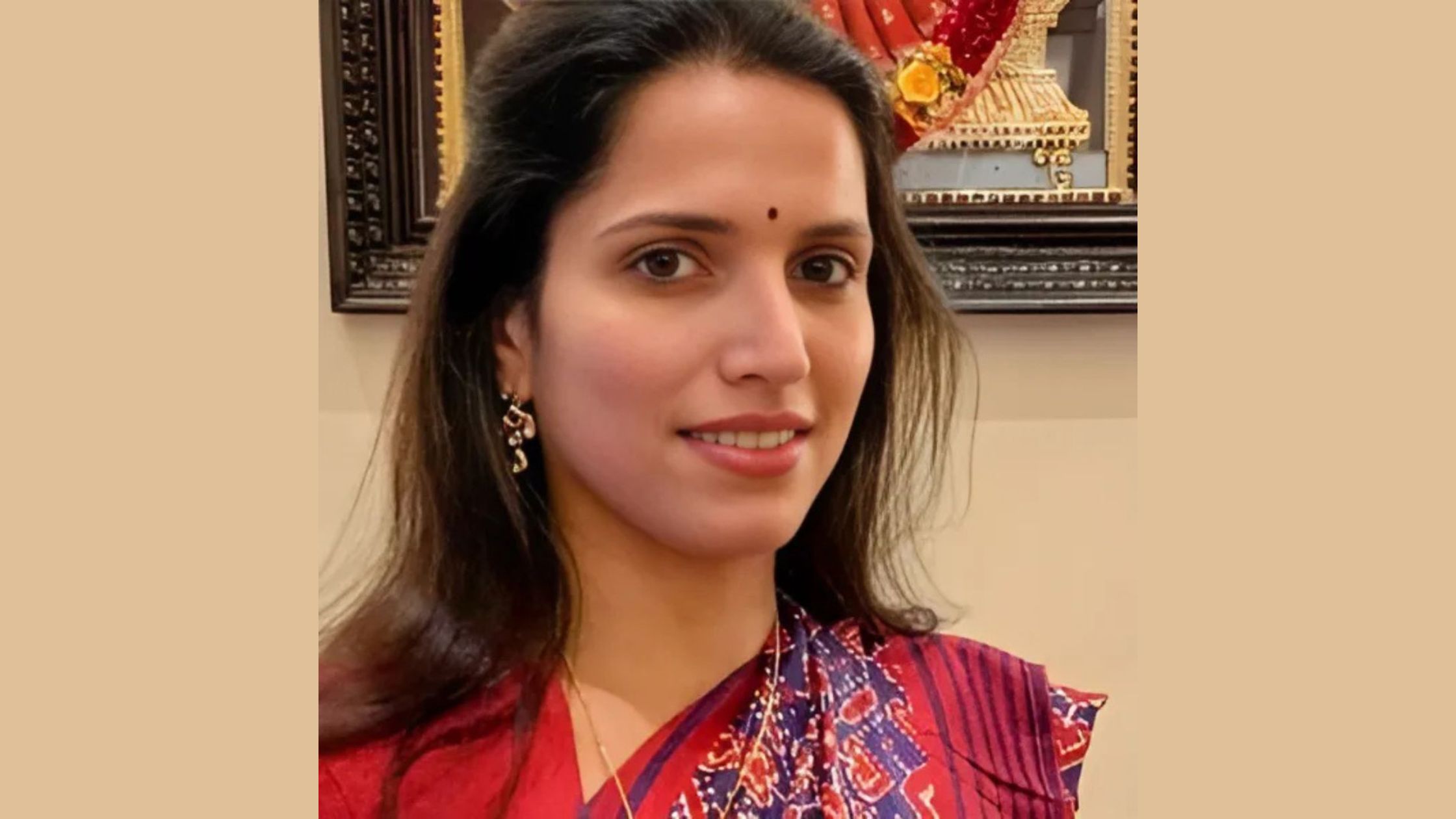
In a recent conversation, Deepa Karthik NJ, Program Manager and Executive Director of the HinduVote project, shared her insightful thoughts on the importance of civic engagement in shaping a stronger society. Deepa Karthik NJ emphasized that true empowerment begins when citizens understand their rights, responsibilities, and the impact of their actions. Through her work in leadership and advocacy, Deepa Karthik NJ has seen how education, participation, and collaboration can turn awareness into progress. Her message encourages everyone to stay informed, involved, and inspired to build a united community.
Interviewer: Welcome Deepa Karthik NJ! It’s wonderful to have you here. To begin, what inspired you to focus on civic participation?
Deepa Karthik NJ: Thank you! The inspiration came from seeing how awareness and involvement can truly change communities. When people understand their rights and responsibilities, they begin to shape their environment. Civic participation gives everyone a voice, and that’s powerful. In the Hindu American community, I’ve seen how unity and collaboration can create visible progress that benefits everyone.
Interviewer: Why do you believe civic participation leads to empowerment?
Deepa Karthik NJ: Empowerment comes when people take part in decisions that affect their lives. Civic involvement helps individuals realize that their opinions matter. When citizens vote, volunteer, or engage in discussions, they develop confidence and ownership. Over time, this builds stronger, more caring communities where each voice is valued and heard, turning ordinary citizens into active changemakers.
Interviewer: How can youth get more involved in civic participation?
Deepa Karthik NJ: Youth brings energy and fresh ideas. Schools, families, and organizations should encourage them to volunteer, attend local events, or learn about policy. Even small projects can teach leadership and teamwork. When young people see real results, they feel motivated to do more. Civic habits formed early create a lifetime of community service and awareness.
Interviewer: What role does technology play in civic engagement today?
Deepa Karthik NJ: Technology has made it easier to stay informed and connected. Social media, online petitions, and digital platforms help spread awareness quickly. People can now join discussions, support causes, or attend virtual events from anywhere. It has especially helped communities like the Hindu American community stay united, share their voice, and organize collective efforts more effectively.
Interviewer: How does civic education strengthen democracy?
Deepa Karthik NJ: Civic education helps people understand how government works and why participation matters. When citizens are informed, they can hold leaders accountable and make better choices. It also teaches respect for diversity and law. A strong democracy depends on active, aware citizens who think critically and act responsibly for the good of all.
Interviewer: What impact has the Hindu American community made through civic participation?
Deepa Karthik NJ: The community has shown great progress by building awareness, encouraging voter registration, and promoting cultural representation. Many have begun engaging in public service and local initiatives. These actions help bridge communities and ensure fair representation. It’s inspiring to see how cultural values of service and respect translate into civic strength and unity.
Interviewer: How do you motivate people who feel their voice doesn’t matter?
Deepa Karthik NJ: I remind them that every major change starts with a single action. One person’s effort can inspire many others. When people witness improvements, like cleaner parks or fair policies, they understand the power of participation. Real stories and local examples help others believe that their voice can truly make a difference.
Interviewer: What are some small ways people can begin to engage civically?
Deepa Karthik NJ: Start simple, attend a town hall, volunteer for a cause, or help organize a local event. Listening to others and learning about local issues is a great first step. Over time, small actions add up and strengthen the community. Everyone has something to offer, no matter how small the contribution may seem.
Interviewer: How do communities build trust through civic involvement?
Deepa Karthik NJ: Trust grows when people work together for a common goal. When citizens see transparency, cooperation, and fairness in action, they believe in each other more. Open conversations and shared projects help bridge divides. Over time, consistent participation builds lasting trust between communities and their leaders.
Also Read: Noah Loul on How Artificial Intelligence Is Reshaping the Future of Sales
Interviewer: What values are most important for effective civic participation?
Deepa Karthik NJ: Respect, honesty, and compassion are key. When people listen to each other and act with fairness, real progress happens. Collaboration, patience, and understanding make civic life stronger. These values reflect the same spirit found in many cultural and faith traditions that encourage service and social harmony.
Interviewer: How can cultural identity and civic engagement work together?
Deepa Karthik NJ: Cultural identity strengthens civic involvement by grounding it in shared values. When people celebrate their heritage, they also bring those values into public life. In the Hindu American community, traditions like seva, selfless service, encourage helping others, which perfectly aligns with civic duty and collective growth.

Interviewer: What role do women play in civic empowerment?
Deepa Karthik NJ: Women play a powerful role in shaping communities. They often bring empathy, balance, and inclusion to decision-making. Encouraging women to lead, volunteer, and express their views creates more equal and compassionate communities. Empowered women inspire others, strengthening both families and society as a whole.
Interviewer: How can schools promote civic responsibility among students?
Deepa Karthik NJ: Schools can teach the importance of participation through projects, debates, and community service. When students learn about government and teamwork, they see how their actions affect society. Encouraging open discussion, leadership roles, and volunteering builds civic habits that last a lifetime and create responsible future citizens.
Interviewer: Why is volunteering an important part of civic participation?
Deepa Karthik NJ: Volunteering connects people to real issues and gives them a sense of purpose. It allows citizens to directly see the results of their efforts. Through teamwork and compassion, people learn that helping others strengthens the entire community. Every small act of service builds a stronger, more caring society.
Interviewer: How can organizations support civic engagement?
Deepa Karthik NJ: Organizations can offer training, resources, and opportunities to get involved. Hosting workshops or awareness programs can guide people on where to start. When businesses, nonprofits, and cultural groups work together, they create networks of change. This support helps make civic engagement accessible and meaningful for everyone.
Interviewer: What message would you give to those new to civic life?
Deepa Karthik NJ: Start where you are and take one step at a time. Don’t worry about knowing everything, learning happens along the way. Small efforts lead to big changes when done with sincerity. Everyone’s voice matters, and every action counts toward building a better, more connected community.
Interviewer: How does community unity lead to empowerment?
Deepa Karthik NJ: When communities stand together, they amplify their voice and influence. Unity helps people face challenges with strength and confidence. Shared goals create lasting change and build a sense of belonging. Empowerment grows naturally when everyone contributes and feels responsible for the success of the group.

Interviewer: What changes would you like to see in future civic engagement?
Deepa Karthik NJ: I’d love to see more collaboration across age groups, backgrounds, and beliefs. When everyone participates, democracy becomes stronger and more inclusive. Encouraging mutual respect and understanding can transform how people solve problems. The future of civic engagement should be open, positive, and united in purpose.
Interviewer: Thank you, Deepa Karthik NJ, for your inspiring insights. Any final message for our readers?
Deepa Karthik NJ: Thank you! My message is simple, every person has the power to make a difference. Whether through voting, volunteering, or simply helping a neighbor, every action counts. Civic participation builds stronger, fairer communities. Together, we can shape a future filled with hope, equality, and unity.