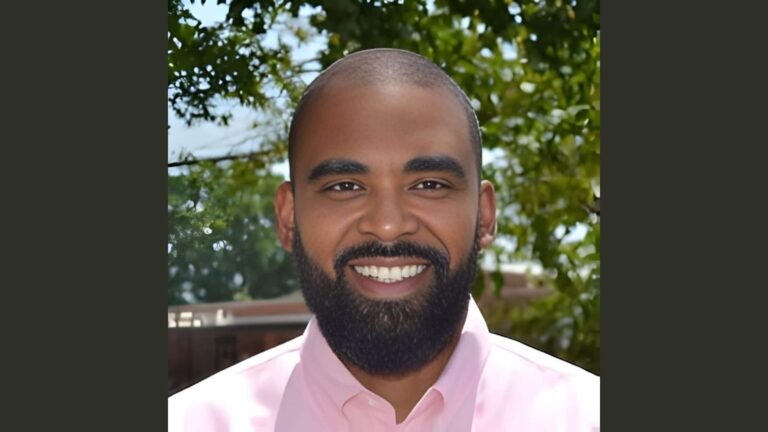


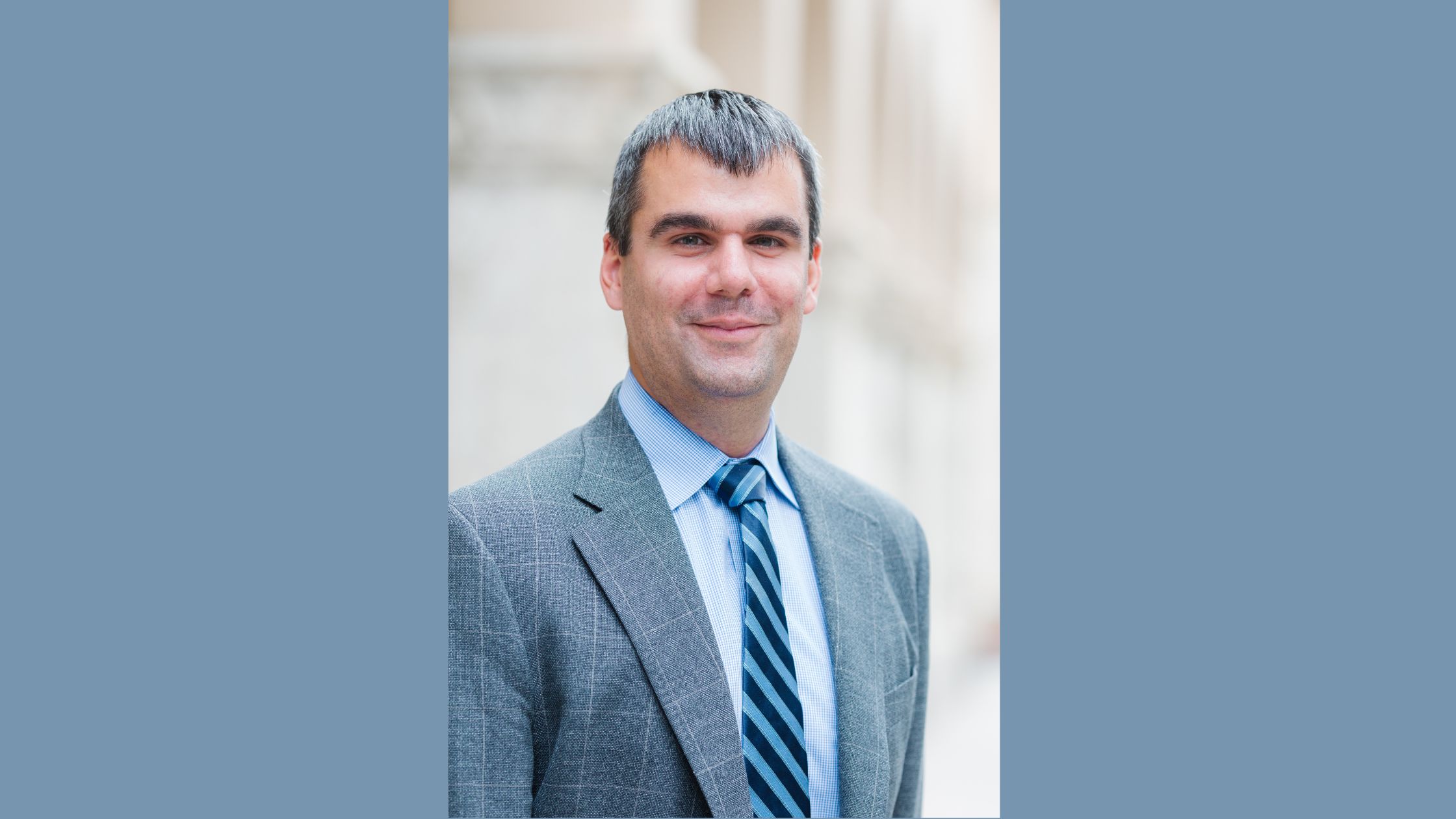
Brian Caper believes that economic growth should benefit the entire community, not just a few sectors. With experience in economic development, urban planning, and workforce strategy, Brian Caper has worked on projects that connect business growth with community needs. He explains that strong planning, infrastructure investment, and workforce opportunities help create balanced development. When cities focus on inclusive strategies, residents, local businesses, and community organizations all gain from economic progress. He emphasizes that thoughtful planning and collaboration can help communities build stronger local economies that remain stable and supportive for many years while improving opportunities for people across the entire community.
Interviewer: Today, we’re joined by Brian Caper, an economic development professional focused on city growth, planning, and community development. Thank you for being here.
Brian Caper: Thank you for having me. I’m happy to share ideas about how communities can plan economic growth in ways that support both local businesses and residents over the long term.
Interviewer: What does it mean when you say economic growth should support the whole community?
Brian Caper: Economic growth should not benefit only a small group of people or businesses. It should help residents, local companies, and community organizations all move forward together. When cities plan growth, they should consider jobs, infrastructure, and services that improve daily life for everyone. This approach helps create balanced progress. When more people benefit from development, communities become stronger, more stable, and better prepared for long-term success.
Interviewer: Why is community support important in economic development?
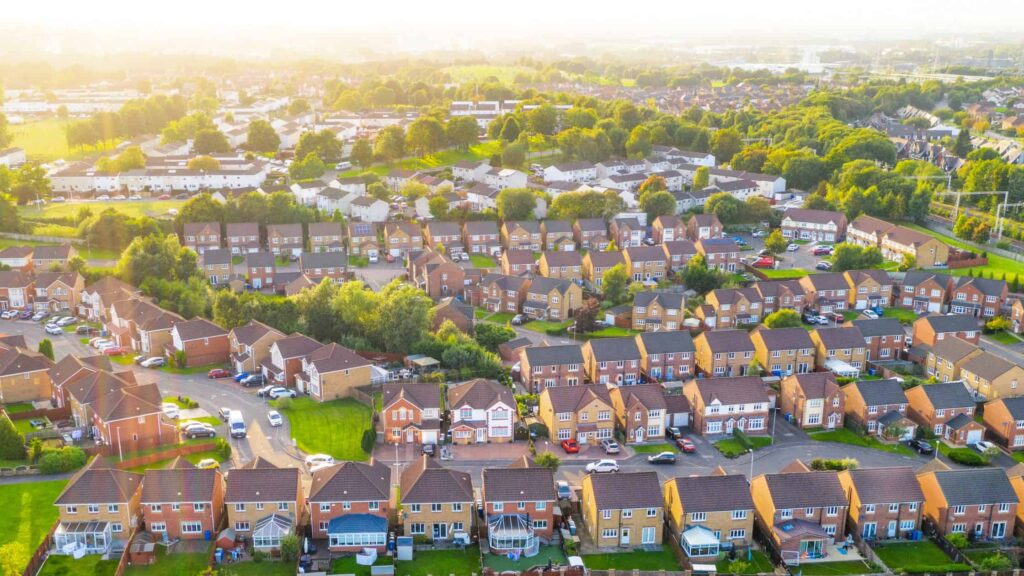
Brian Caper: Community support is important because economic development directly affects the people who live and work in the area. When growth includes community needs, residents feel more connected to the changes happening around them. Businesses also benefit when the local environment is stable and supportive. When leaders listen to the community and plan carefully, growth becomes more practical and meaningful for everyone involved.
Interviewer: How can city leaders make sure growth benefits the whole community?
Brian Caper: City leaders can start by studying local economic data and understanding the needs of residents and businesses. They should include community voices when creating development plans. Investments in infrastructure, workforce programs, and local business support can help spread the benefits of growth. When leaders focus on long-term planning and fair opportunities, economic development can improve quality of life for many people, not just a few.
Read More : Austin Goman Says, “Legal Risk Management Is Key to Long-Term Success.”
Interviewer: What role do local businesses play in community-focused growth?
Brian Caper: Local businesses are a major part of healthy economic growth. They provide jobs, services, and opportunities within the community. Supporting small and growing businesses helps keep money circulating locally. When cities create business-friendly environments, they encourage entrepreneurship and innovation. This kind of growth helps communities build stronger local economies that support both businesses and residents over time.
Interviewer: How does workforce development connect to community growth?
Brian Caper: Workforce development helps residents gain the skills needed for available jobs. When workers have better training and education opportunities, they can access stable employment. This supports families and strengthens the local economy. Businesses also benefit because they can find skilled employees within the community. Workforce programs create a connection between economic development and community opportunity, helping growth benefit more people.
Interviewer: Why is infrastructure important for community-wide economic growth?
Brian Caper: Infrastructure such as roads, utilities, and public facilities supports daily life and business activity. When infrastructure is strong and reliable, businesses can operate more efficiently and residents can access jobs and services more easily. Good infrastructure also attracts new investment. When cities invest carefully in these systems, they create a strong foundation that supports economic growth for the entire community.
Interviewer: How can redevelopment projects support community needs?
Brian Caper: Redevelopment projects can improve underused areas and bring new opportunities to neighborhoods. When planned carefully, they can add housing, businesses, and community spaces that improve daily life. The key is making sure redevelopment considers local needs and respects existing communities. When redevelopment focuses on both economic and community benefits, it can create positive change without leaving people behind.
Interviewer: What role does long-term planning play in community-focused growth?

Brian Caper: Long-term planning helps cities make thoughtful decisions about economic development. Instead of focusing only on short-term gains, leaders can create strategies that support sustainable growth over many years. Planning helps identify future needs such as infrastructure improvements, workforce training, and business development. With clear long-term goals, communities can build stronger economies that continue to benefit residents in the future.
Interviewer: Why should community voices be included in economic planning?
Brian Caper: Community voices help leaders understand real local needs. Residents, businesses, and community groups often see challenges and opportunities that may not appear in data alone. When leaders listen to these perspectives, they can make better decisions about development projects and investments. Including community voices also builds trust and cooperation, which are important for successful economic initiatives.
Interviewer: How can cities balance business growth with community well-being?
Brian Caper: Cities can balance these goals by planning carefully and considering both economic and social impacts. Encouraging business growth is important, but it should also improve local living conditions. Investments in infrastructure, workforce training, and community services can help create that balance. When growth is planned with people in mind, it becomes more sustainable and beneficial for everyone involved.
Interviewer: What benefits come from inclusive economic growth?

Brian Caper: Inclusive economic growth helps create stronger communities because more people share in the benefits. Residents gain better job opportunities, businesses gain reliable workers and customers, and cities gain stronger tax bases to support services. When economic success is shared widely, communities become more stable and resilient. This creates a positive cycle where growth continues to support future development.
Interviewer: How can partnerships help support the whole community?
Brian Caper: Partnerships between public agencies, private businesses, and community organizations can bring more resources and ideas to economic development projects. Each group offers different strengths. Governments provide planning and support, businesses create jobs and investment, and community organizations understand local needs. When these groups work together, they can design solutions that support both economic progress and community well-being.
Interviewer: Why is sustainability important in community growth?
Brian Caper: Sustainability helps ensure that development continues to benefit people over time. This includes responsible use of resources, careful infrastructure planning, and long-term economic strategies. When growth is sustainable, communities avoid short-term decisions that may create future problems. Sustainable development supports economic stability while protecting community needs and resources for the future.
Interviewer: How can economic data help guide community-focused development?
Brian Caper: Economic data provides valuable information about jobs, industries, population trends, and local business activity. Leaders can use this information to understand where opportunities and challenges exist. Data helps guide smarter investments and policies that support balanced growth. When combined with community input, data allows cities to design strategies that benefit more people across the community.
Interviewer: What is the long-term impact of economic growth that supports everyone?

Brian Caper: When economic growth supports the whole community, it builds stronger foundations for the future. Residents gain stable opportunities, businesses grow in a healthy environment, and cities develop reliable infrastructure and services. Over time, this balanced approach creates communities that are more resilient, attractive to investment, and prepared for change. Inclusive growth helps ensure that development continues to benefit people for many years.
Interviewer: How can local governments support fair economic opportunities for the community?
Brian Caper: Local governments can support fair economic opportunities by creating policies that encourage job creation, business growth, and workforce training. They can also invest in infrastructure and community services that make it easier for businesses and residents to succeed. When leaders focus on balanced development, they help ensure that economic progress reaches many parts of the community. Clear planning and cooperation with local organizations can also help create opportunities that benefit a wider group of people.
Interviewer: What is the most important message you would like communities to remember about economic growth?
Brian Caper: The most important message is that economic growth should help the entire community move forward together. When leaders focus on thoughtful planning, support local businesses, and invest in workforce opportunities, they create stronger foundations for the future. Growth should improve daily life for residents while also encouraging business success. When communities work together and plan carefully, economic progress becomes more balanced, stable, and beneficial for everyone over the long term.