

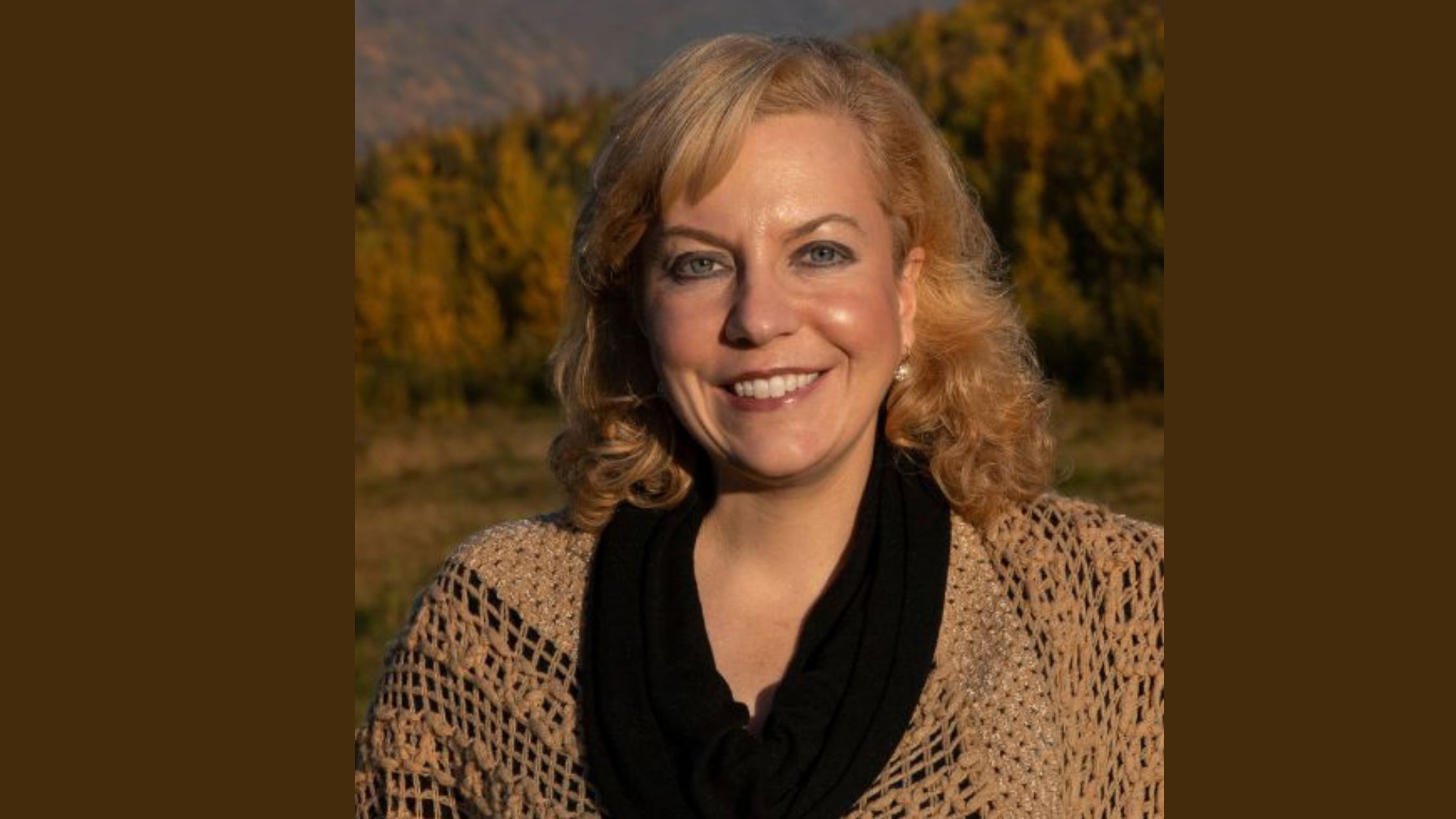
We had the opportunity to speak with Barbara Knox MD, a respected physician who specializes in pediatrics and child protection. She has dedicated her career to helping abused children find safety, strength, and hope again. With years of experience in both medicine and advocacy, Dr. Barbara Knox continues to guide families, caregivers, and professionals on how to support healing with compassion and care.
In this interview, Barbara Knox MD shares her thoughts on emotional recovery, the power of safe environments, and why every child deserves a future filled with trust, comfort, and love. She explains how healing begins with belief, patience, and the steady support of caring adults.
Interviewer: Today, we’re joined by Barbara Knox MD, a pediatrician and child protection expert who has helped many children recover from abuse and trauma. Thank you so much for being here.
Barbara Knox MD: Thank you for inviting me. I’m grateful for the chance to talk about healing and hope for children who have faced abuse. It’s something I care deeply about, and I believe that with the right care and understanding, every child can find peace again.
Interviewer: Many children who have faced abuse struggle to trust again. How do you think healing truly begins for them?

Barbara Knox MD: Healing begins when a child feels safe and believed. The first step isn’t medical, it’s emotional safety. When children realize they are protected and surrounded by people who care, they slowly start to rebuild trust. That sense of security opens the door to hope and recovery. Healing grows stronger when the child knows that their voice matters and they are never alone again.
Interviewer: How do you help children find hope after they have faced deep trauma or fear?
Barbara Knox MD: Hope grows when children experience kindness. I focus on helping them rediscover joy through small successes, like smiling or connecting with others again. Healing doesn’t happen all at once, it’s built through little moments of trust and love. When a child feels seen, heard, and valued, that’s where hope begins. My goal is to guide them to believe that life can be bright again.
Interviewer: In your experience, what role does community play in helping abused children heal?
Barbara Knox MD: Community support is essential. When teachers, doctors, and neighbors work together, children realize that the world can still be safe. A strong support network helps rebuild their confidence. Healing becomes easier when a child knows that many people care. I believe every community should create safe spaces where children feel protected, accepted, and encouraged to grow again after trauma.
Interviewer: What are some signs that show a child is beginning to heal emotionally?
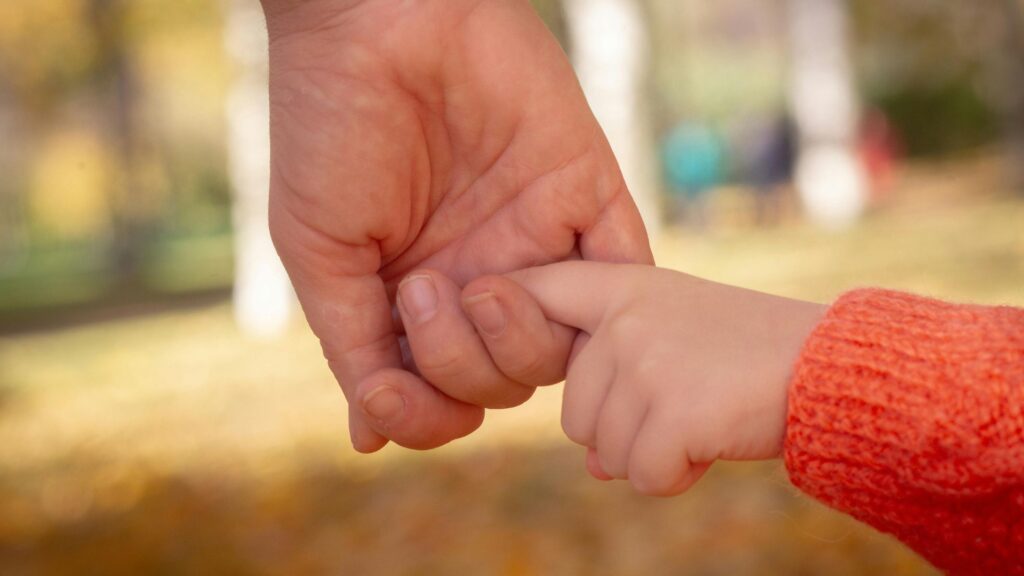
Barbara Knox MD: When a child starts smiling more, playing, or sharing their thoughts, it shows progress. Healing is visible in small steps, like making eye contact, showing curiosity, or expressing feelings. These moments mean they’re learning to trust again. I tell families to celebrate each of these steps because they mark the return of hope and the rebuilding of inner strength.
Interviewer: How important is emotional safety for a child who has experienced abuse?
Barbara Knox MD: Emotional safety is the heart of healing. Without it, therapy and care can’t fully help. Children must feel they are believed and not blamed. When they know the adults around them will protect them, they begin to let go of fear. I often remind caregivers that emotional safety is the foundation of trust, and trust is the start of healing.
Interviewer: How can caregivers support a child’s healing journey at home?
Barbara Knox MD: Caregivers play a vital role. Keeping routines consistent and showing patience helps children feel secure. Simple things like listening, hugging, or spending quiet time together make a huge difference. Healing happens in small daily moments of love. I always tell families that their calm presence gives children the courage to believe in safety again.
Interviewer: You often speak about hope. What does hope mean for abused children in practical terms?

Barbara Knox MD: Hope means believing that tomorrow can be better. For children, it’s about rediscovering joy in small things, like playing freely or feeling unafraid to sleep. Hope helps them imagine a future beyond pain. I see hope as the light that guides them forward. It’s not just a feeling, it’s the strength to keep healing, even on hard days.
Interviewer: How do professionals like doctors or therapists work together to support a child’s healing?
Barbara Knox MD: Healing requires teamwork. Doctors, therapists, social workers, and teachers must share information and care goals. When we work together with empathy, children receive balanced support, medical, emotional, and social. Collaboration builds a safety net. I’ve seen how teamwork creates steady progress because every child deserves a full circle of care and understanding.
Also Read: Kirsten Poon of Edmonton Says, “AI Innovation Begins with Curiosity and Teamwork.”
Interviewer: What are some challenges you often see when helping children recover from abuse?
Barbara Knox MD: One of the hardest parts is rebuilding trust. Many children feel unsafe around adults, so gaining that trust takes time. Another challenge is helping caregivers stay patient because healing can be slow. But with consistent love, children do recover. I remind everyone that small steps forward still count as progress and should be celebrated.
Interviewer: What message would you share with teachers who notice signs of trauma in students?
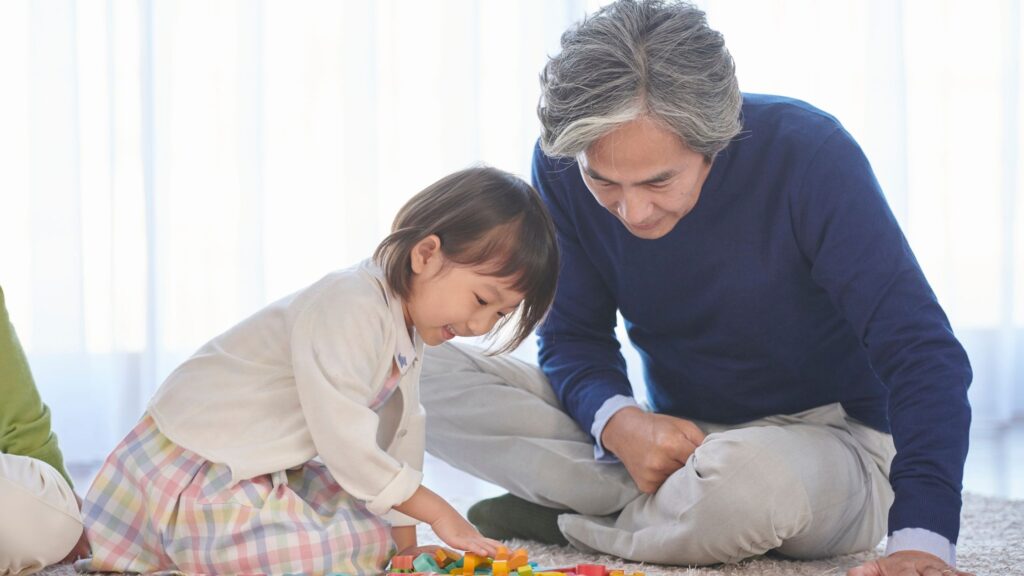
Barbara Knox MD: Teachers are often the first to notice changes, like a child becoming withdrawn or fearful. I urge them to respond with kindness, not punishment. Sometimes, just listening and offering gentle support can change everything. Teachers can connect children with school counselors or trusted adults. Their compassion may become the first step toward a child’s healing.
Interviewer: How can society better support children after abuse has been identified?
Barbara Knox MD: We must focus on long-term care, not just immediate safety. Society can help by offering trauma-informed education, therapy access, and family support programs. Every system, schools, healthcare, and law, should protect a child’s dignity. Healing must be a shared goal. When everyone works together, we build communities where children can recover and thrive.
Interviewer: What gives you the most hope when working with children who have survived abuse?

Barbara Knox MD: Children’s strength gives me hope. Even after severe trauma, their ability to smile, laugh, and trust again is powerful. I’ve seen them turn pain into courage. Each time a child begins to believe in themselves again, it reminds me that healing is always possible. Their resilience continues to inspire my work every single day.
Interviewer: How can storytelling or play help children in recovery?
Barbara Knox MD: Storytelling and play allow children to express what words cannot. Through art, drawing, or play, they share their emotions safely. It gives them control and helps them process experiences without pressure. Play therapy often opens a window into their hearts. It’s a gentle yet powerful way to heal and rebuild emotional strength.
Interviewer: What would you tell someone who wants to help but doesn’t know how?
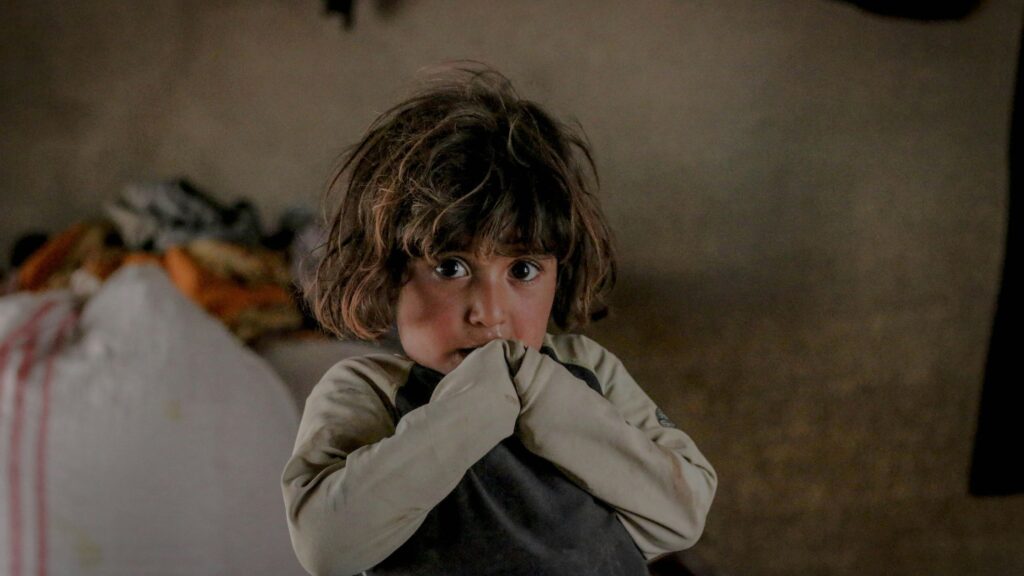
Barbara Knox MD: Start with compassion. Listen to children, believe them, and never judge. You can support local child protection programs, volunteer, or simply spread awareness. Every small action helps. I often say you don’t need to be a professional to make a difference, just someone willing to care deeply and speak up when a child needs safety.
Interviewer: How do you keep children engaged in the healing process when they feel hopeless?
Barbara Knox MD: I help them set small, reachable goals and celebrate progress. Healing takes time, and children need encouragement to keep going. I remind them that their pain doesn’t define them, it’s something they are overcoming. Kindness, patience, and steady support bring them back to hope. Each step forward builds their belief that life can feel safe again.
Interviewer: What can we do to reduce the long-term emotional impact of child abuse?
Barbara Knox MD: The answer is early, consistent support. When children receive timely therapy and love, they can recover more fully. Emotional wounds heal best in caring environments. Prevention programs, strong family systems, and education about trauma can reduce lifelong harm. We can’t change what happened, but we can change what happens next for every child.
Interviewer: How do you balance professional care with emotional compassion in your work?

Barbara Knox MD: For me, medicine and empathy go hand in hand. Science provides tools, but compassion gives meaning. Listening with an open heart builds trust, which is the foundation of recovery. My medical care is guided by evidence, but healing truly grows from understanding and genuine human connection.
Interviewer: What final message would you share with families and caregivers about healing and hope?
Barbara Knox MD: Never give up on a child’s ability to heal. No matter how painful the past, love and patience rebuild hope. Healing isn’t about forgetting, it’s about growing stronger with care and faith. I’ve seen countless children rise from deep hurt to become joyful again. Every caring adult has the power to be part of that miracle.
Interviewer: Thank you again for your time, Barbara Knox MD, and for sharing your insights with such care. Your thoughts bring hope and guidance to anyone working to protect and heal children.
Barbara Knox MD: Thank you for having me. I truly appreciate the opportunity to speak about this important topic. My hope is that our discussion inspires more people to listen, believe, and help children feel safe again, because every child deserves a future built on love and trust.